Using Gambling Controls Before Play Becomes a Problem
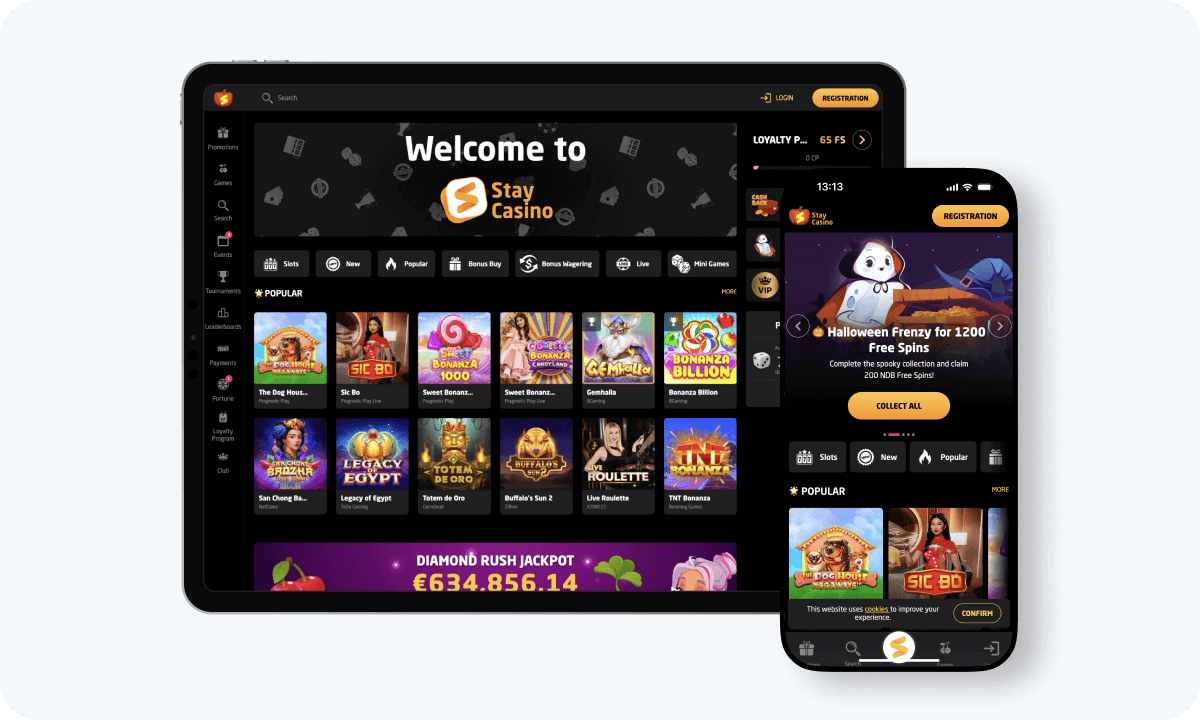
Responsible gambling tools are most useful when they are set before money is at risk, rather than after spending has become difficult to control. Stay Casino lists several account controls, including deposit, loss, wager and session limits, cooling-off periods, self-exclusion and account closure. Anyone researching the stay casino download should first consider whether the service is suitable for their location and circumstances, then confirm which controls are currently available and how requests are implemented.

Check the Australian position before opening an account
The first responsible decision is not about choosing a limit. It is deciding whether online casino gambling is permitted for you at all. The supplied information states that this operator is not Australian-licensed and that Australia’s Interactive Gambling Act prohibits operators from offering online casino games to people in Australia. An offshore licence does not amount to Australian approval, consumer protection or local regulatory supervision.
That distinction matters because an account may display Australian dollars, offer English-language support or show games that appear familiar to Australian users. None of those details establishes that the service is authorised to provide online casino games in Australia. Location checks, payment availability and technical access can also differ from legal permission. Do not treat a functioning website, accessible mobile browser or available payment option as proof that play is lawful.
Before proceeding, consult current Australian government information or obtain independent legal advice if you are uncertain. You should also consider whether an offshore operator would give you practical access to dispute resolution, account safeguards or financial remedies. If gambling is already causing stress, secrecy, debt or conflict, stopping and seeking support is a safer response than testing a new account or promotion.
Choose limits that reflect your real spending
A limit only works if it is lower than the amount you could comfortably afford to lose. Review essential costs first: rent or mortgage, utilities, food, transport, debt repayments and regular savings. Gambling money should never come from those categories, credit intended for necessities or money needed by dependants. A limit based on a promotional deposit threshold is not a sensible personal budget.
Use the available controls as separate questions rather than selecting one figure casually. A deposit limit restricts money added to the account, while a loss limit focuses on the result after wins and losses. A wager limit concerns the amount staked, and a session limit concerns time. A short session can still involve rapid betting, so combining financial and time boundaries is generally more informative than relying on duration alone.
Write down the figures and period before confirming them. Ask whether the limit applies daily, weekly or over another interval, when it resets, and whether pending deposits or withdrawals affect the calculation. Check whether limits are available through the profile or require support assistance. Never assume a limit is active merely because it was requested; look for a confirmation and retain records of the request.
Use cooling-off as an early warning measure
Cooling-off is designed for a temporary break, not as a way to negotiate with yourself while continuing to gamble elsewhere. The published information describes cooling-off periods ranging from one day to six months. During the relevant period, gambling and deposits are restricted, and promotional messages are stopped. Confirm the exact duration and start time before relying on the control.
A short break can be appropriate when you notice rushed decisions, repeated deposits, chasing losses, gambling later than intended or thinking about play during work and family time. Use the pause to remove saved payment details, avoid gambling advertising and tell a trusted person what you have chosen. Do not use the break to calculate how much you need to win back.
Cooling-off is not the same as self-exclusion. It may provide a limited interruption, whereas self-exclusion is intended for a longer period when continued access is unsafe. If you have repeatedly returned after breaks, or cannot keep to a spending boundary, choose the stronger option instead. Also remember that a control on one service does not block other gambling websites, apps or venues.
When self-exclusion or closure is the safer choice

The supplied terms describe self-exclusion periods of six to twelve months, requested through live chat. They also state that permanent account closure requires contacting customer support. Treat these as protective decisions, not customer-service preferences. If you are considering self-exclusion, make the request clearly, specify the period where applicable and ask for written confirmation of when the restriction begins.
Before requesting closure, record your balance, open transactions and any unresolved support conversations. A restriction should not be delayed because a withdrawal is unfinished, but keeping a factual record can help if you later need to clarify what happened. Do not reopen an account, create a second account or use another person’s details to bypass a restriction. The supplied registration information says one account per person is permitted.
Self-exclusion cannot remove gambling triggers outside the account. Delete bookmarks, unsubscribe from gambling marketing where possible, install device-level blocking tools and ask your bank whether gambling transaction blocks or card controls are available. In Australia, the Gambling Help Online support service provides information and assistance for people affected by gambling. Speak with a qualified counsellor or trusted person if urges remain difficult to manage.
Verify that a control has actually taken effect
Account safeguards are only useful when their operation is clear. After setting a limit or requesting a break, check the account for a status message, confirmation email or updated profile setting. Keep screenshots or correspondence showing the request, date and selected duration. If promotional messages continue after a self-exclusion or cooling-off request, note when they arrived and contact support rather than assuming the restriction failed silently.
Ask precise questions if the interface is unclear. Does the limit cover all deposits or only a particular payment method? Is the loss calculation based on a calendar day or a rolling period? Can a limit be reduced immediately, and does increasing it involve a waiting period? Does self-exclusion prevent login, deposits, promotional contact and new registration? The supplied material confirms the existence of controls but does not establish every technical condition for every account.
Finally, judge the tool by your behaviour, not by the number displayed on screen. If you find yourself borrowing, hiding activity, exceeding your planned budget or searching for ways around restrictions, stop gambling and seek outside help. No online setting can guarantee safety, and an offshore service may not provide the same enforcement or complaint pathways as an Australian-regulated environment.
Questions about gambling controls
Can a deposit limit make gambling safe?
No. A deposit limit can restrict money added to one account, but it does not prevent gambling elsewhere, using another payment source or losing money already held in the account. It is one budgeting tool, not a guarantee. Combine it with time boundaries, independent financial safeguards and support when gambling feels difficult to control.
What should I do if a self-exclusion request is delayed?
Keep the original request, timestamps and any replies. Contact support again in writing and ask for confirmation of the effective time, while avoiding further gambling. If you remain at risk, contact a gambling-help service and ask your bank about blocking gambling transactions. Do not create another account or use someone else’s details.
Is a cooling-off period suitable after repeated loss-chasing?
Repeated loss-chasing suggests that a short break may not be strong enough. Consider self-exclusion, removing payment access and telling someone you trust what is happening. Seek professional support rather than trying to recover losses. A pause should create distance from gambling, not become a planned interval before another attempt to win money back.